10 Signs Your Door Lock Needs Replacing
Door locks are one of the most important components of home security, yet they are often overlooked until a problem occurs. Over time, locks can wear down due to daily use, environmental exposure, or internal mechanical issues. When this happens, they may no longer provide the level of protection expected for a residential property. Across London, security specialists frequently encounter situations where locks have gradually deteriorated without homeowners noticing the warning signs.
Recognising these early indicators can prevent security risks and reduce the likelihood of situations such as being Locked out or dealing with Broken keys. A qualified professional can assess whether a lock simply needs adjustment or if a full Lock replacement is the safer option. Understanding the most common warning signs helps property owners maintain reliable security and avoid unexpected problems.
1. Stiff or Difficult Key Turning
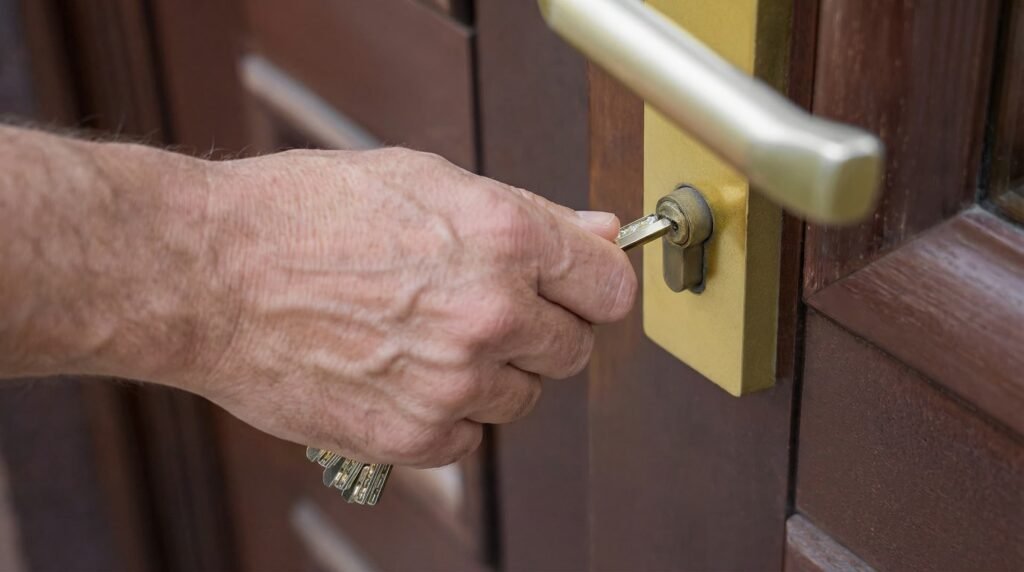
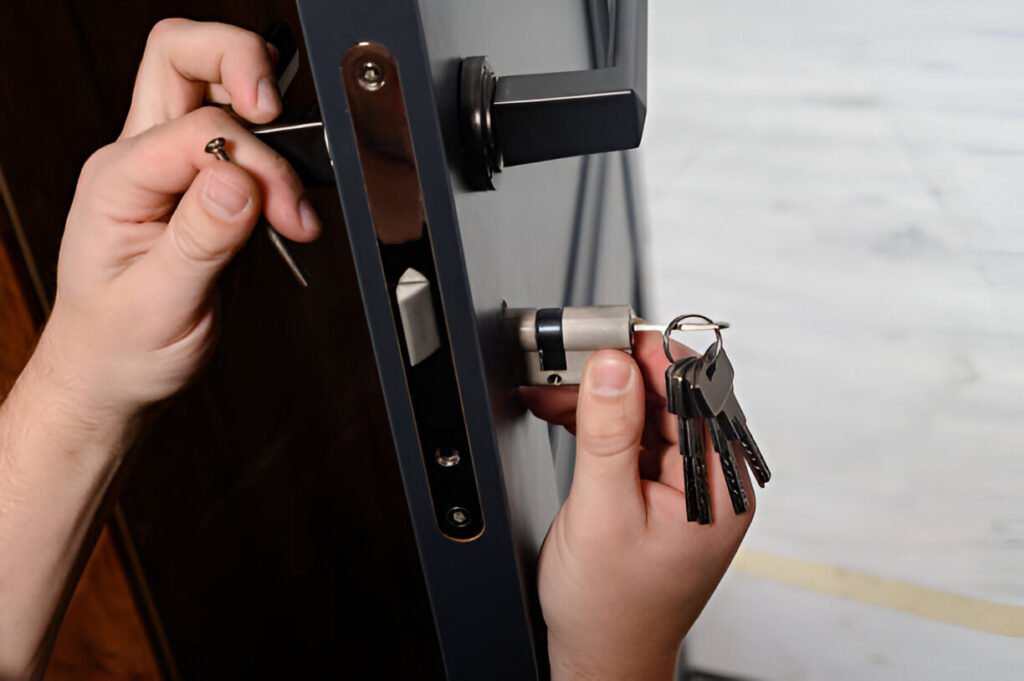
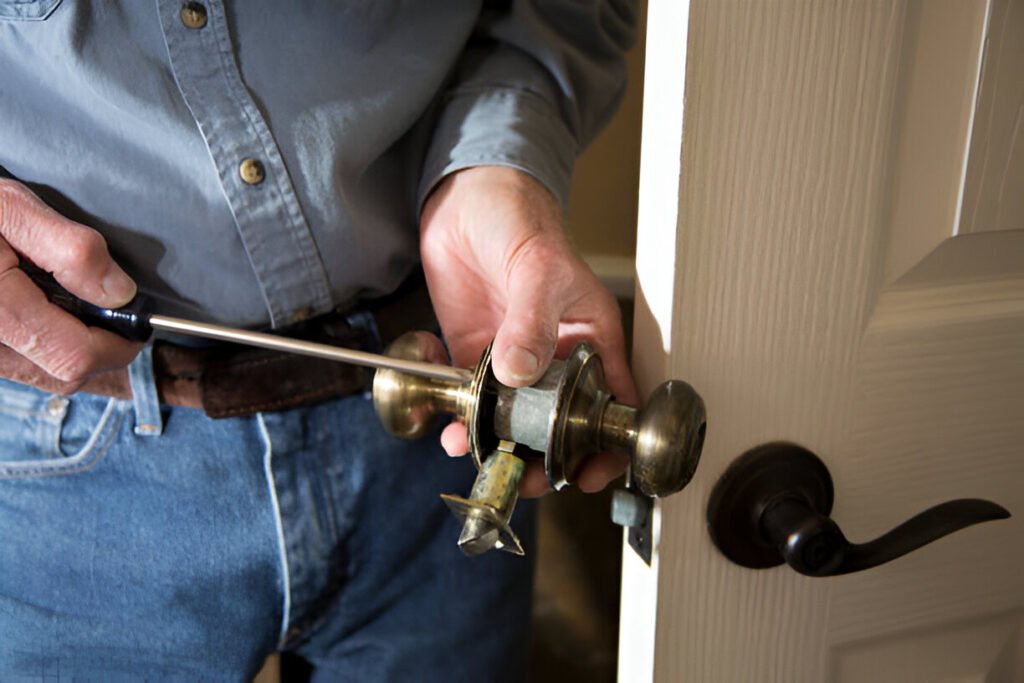
One of the earliest signs of a failing lock is difficulty turning the key. If the key no longer rotates smoothly, internal components within the cylinder may be wearing down or becoming misaligned. While occasional stiffness can occur due to dirt or lack of lubrication, persistent resistance should not be ignored.
Forcing the key can cause internal damage and may lead to Snapped keys, which can leave the door unusable. If a lock regularly feels stiff or difficult to operate, it is advisable to have it inspected by a locksmith before the problem worsens.
2. Visible Rust or Corrosion
Exposure to moisture, rain, and temperature changes can gradually cause rust or corrosion on door locks. This is particularly common for external locks that face constant weather conditions. Rust can affect both the exterior hardware and the internal mechanism, making the lock unreliable.
Over time, corrosion may weaken the components responsible for securing the door. When rust becomes visible, it often indicates that the lock has reached the end of its functional lifespan. In such cases, a Lock change may be necessary to restore reliable security.
3. Loose Door Handles
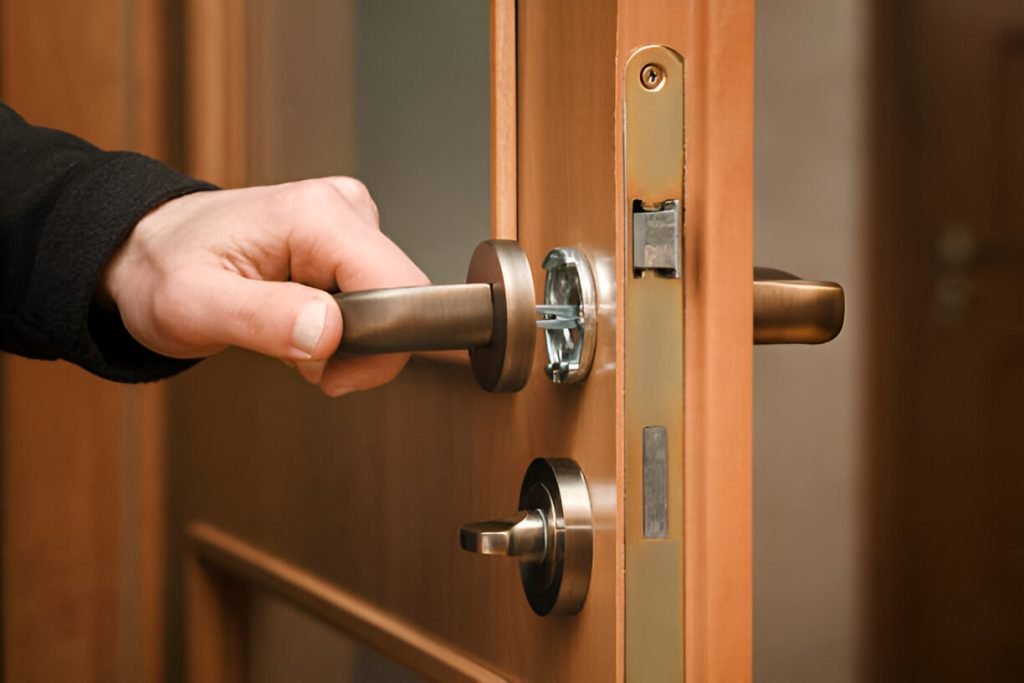
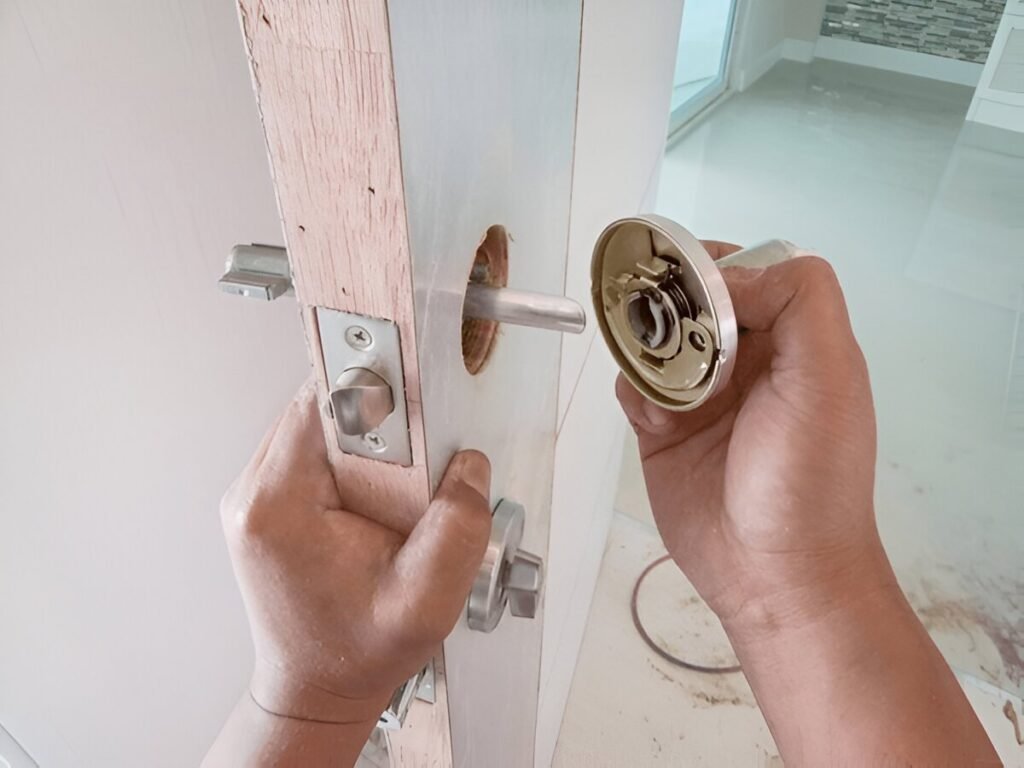
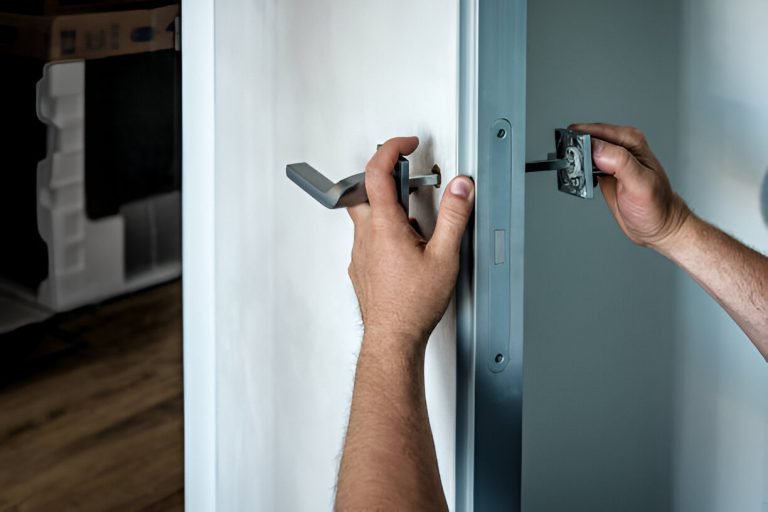
Door handles and lock mechanisms work together to secure an entry point. If the handle becomes loose or unstable, it may place additional stress on the lock. Loose handles can eventually affect the alignment between the lock and the strike plate. When this happens, the door may not close or latch properly.
Security professionals often recommend checking handles regularly, particularly if the door is used frequently. A London Locksmith can determine whether tightening hardware is sufficient or if further repair is needed.
4. Door Misalignment
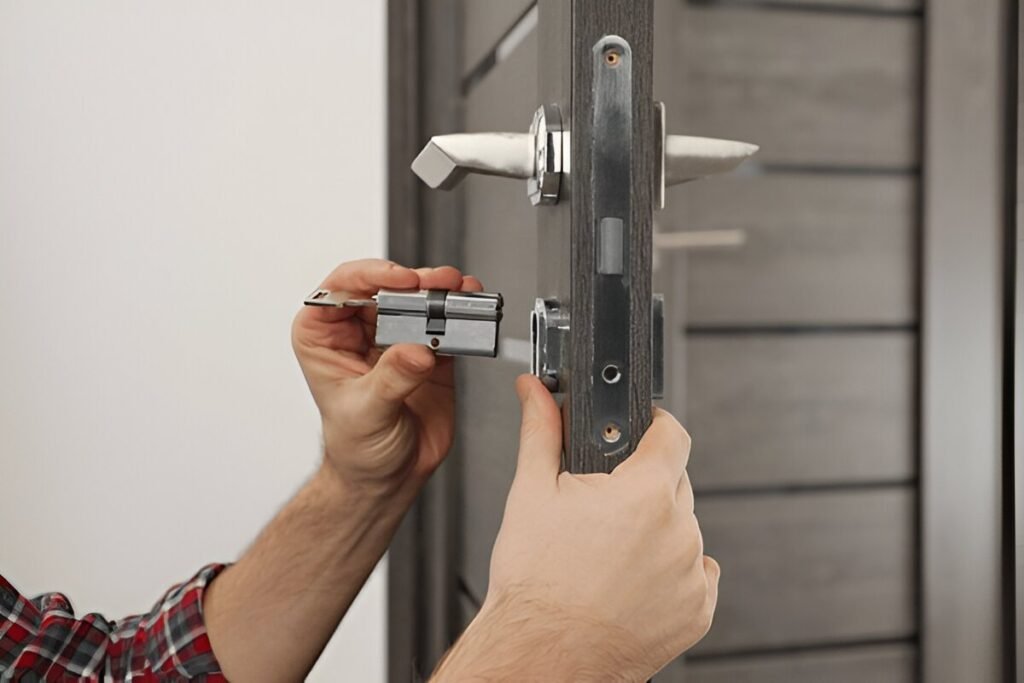
Over time, doors can shift slightly due to temperature changes, building movement, or wear in the hinges. Even small changes in alignment can affect how the lock engages with the door frame. Misalignment can cause several issues, including:
- Difficulty locking the door
- Excess pressure on the lock bolt
- Increased wear on the locking mechanism
If the door must be pushed or lifted in order to lock properly, the locking system may experience unnecessary strain. A professional inspection by an East London Locksmith can identify whether the issue lies with the door frame, hinges, or lock.
5. Frequent Key Jamming
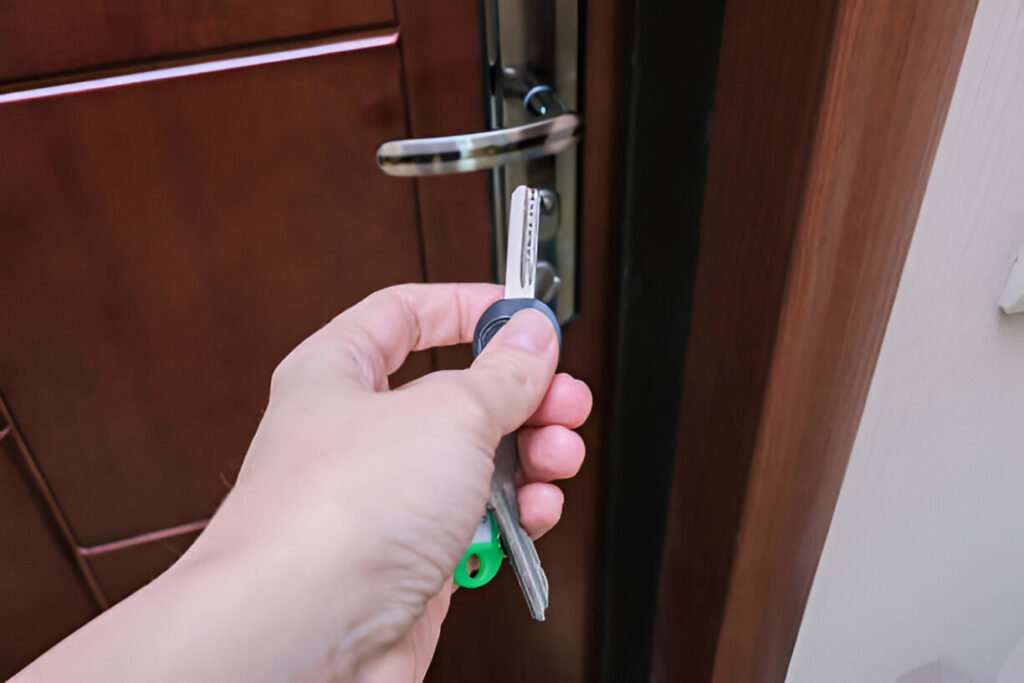
Keys that repeatedly become stuck in the lock can indicate internal wear within the cylinder. Dirt, debris, or worn pins may prevent the key from moving smoothly.
Frequent jamming can increase the risk of Broken keys, which can create inconvenient situations and sometimes require assistance from a 24 hr locksmith. Addressing the issue early can prevent sudden lock failure.
6. Damage After Attempted Forced Entry
If a property has experienced an attempted break-in, the lock should always be inspected even if the door appears intact. Burglars often apply pressure to locks or handles when attempting entry.
Visible scratches, dents, or internal damage may compromise the lock’s ability to secure the door properly. In these situations, a professional Lock change may be recommended to restore reliable protection.
7. The Lock Is More Than 10 Years Old
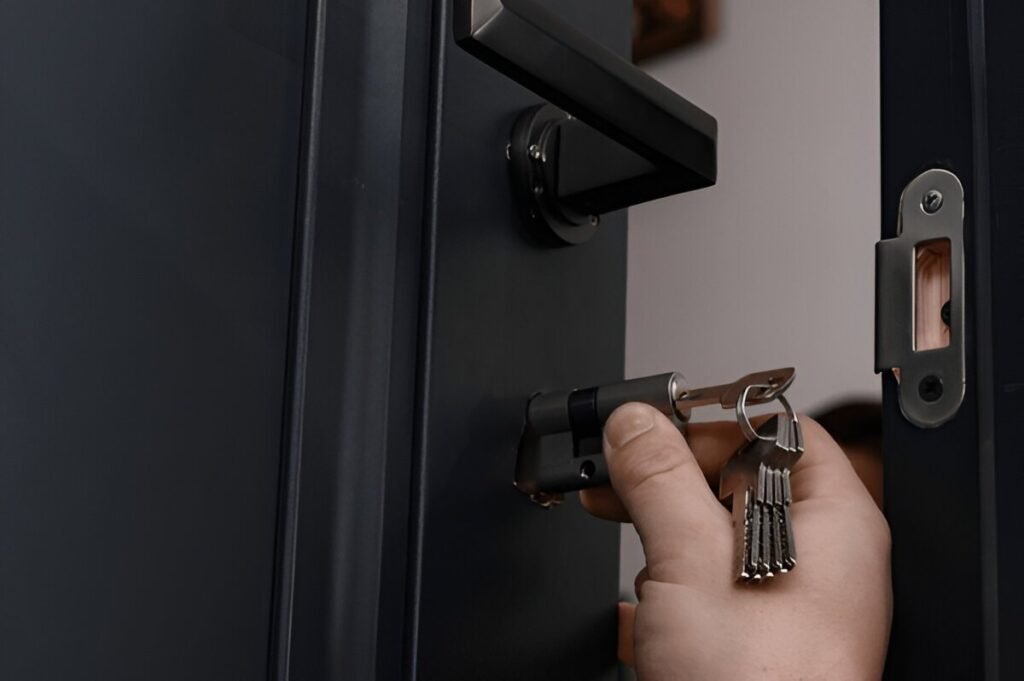
Like most mechanical devices, locks have a limited lifespan. Older locks may not meet modern security standards or provide adequate resistance against common forced-entry techniques. Security recommendations and lock designs have improved significantly over the past decade.
Upgrading older locks can improve overall protection, particularly in urban environments where security risks may be higher. Homeowners often consult a Locksmith near me to assess whether older locks still meet current safety expectations.
8. Keys Have Been Lost or Unaccounted For
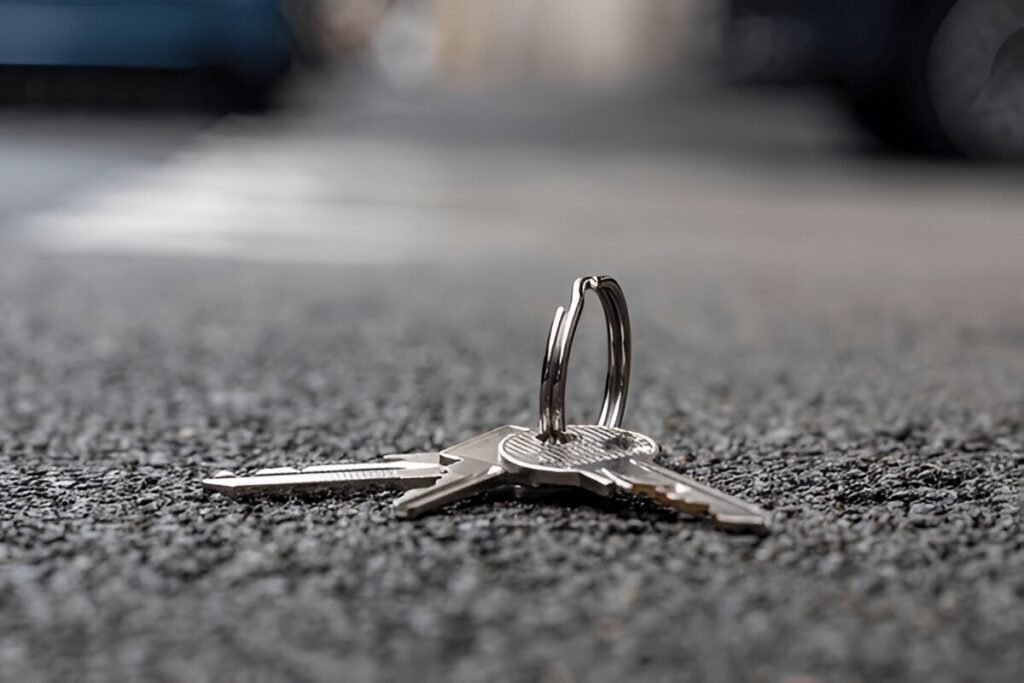
Losing track of keys can present a potential security concern, especially if the keys were lost near the property or in a public location. Even if the keys are not immediately found by someone else, there is always uncertainty about who may have access.
In these situations, a precautionary Lock change can help restore peace of mind. Homeowners sometimes seek assistance from an Emergency locksmith when they cannot enter their property due to misplaced keys.
9. Repeated Lock Repairs
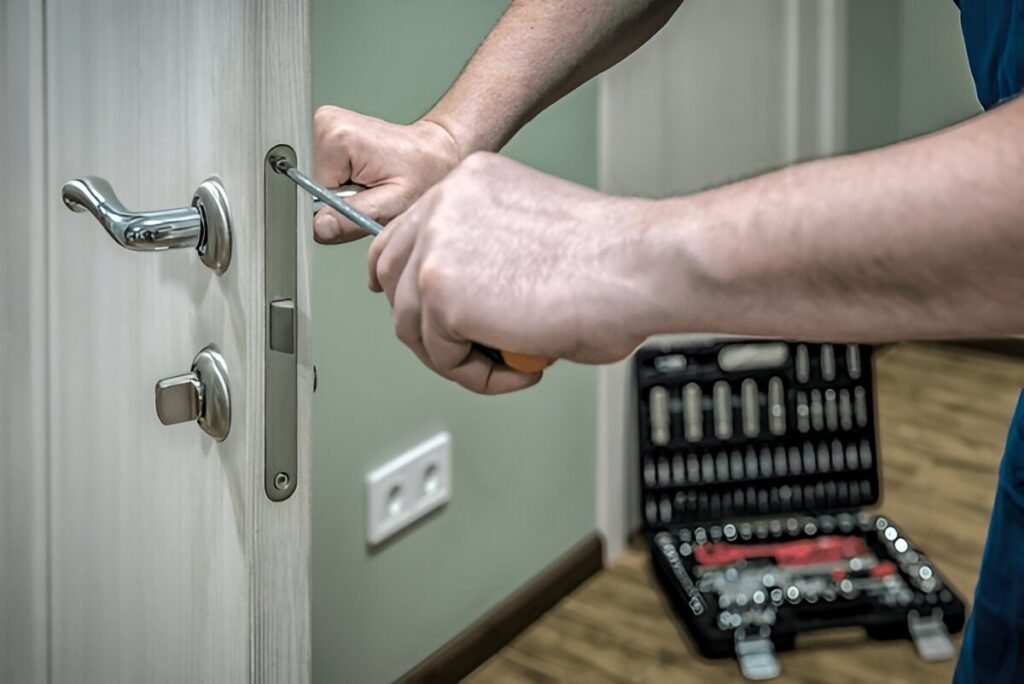
If a lock requires repeated adjustments or minor repairs, it may indicate that the mechanism is reaching the end of its usable life. Temporary fixes can sometimes extend the life of a lock for a short period, but ongoing repairs may become less reliable over time. Replacing the lock can often be a more practical long-term solution.
A qualified 24/7 locksmith can evaluate whether continued repairs are worthwhile or if replacement would provide greater reliability.
10. Reduced Security Confidence
Sometimes the most important sign is simply a lack of confidence in the lock itself. If the lock feels weak, unreliable, or outdated, it may be worth reviewing the overall door security. Security professionals often recommend regular inspections to ensure locks remain in good working condition and continue to meet recognised standards.
Homeowners who experience sudden issues such as being Locked out may discover that the lock had underlying problems for some time.
Lock Condition Guide: When Replacement Is Recommended
| Lock Condition | Possible Cause | Recommended Action |
| Stiff key movement | Internal wear or debris | Inspection or replacement |
| Rust or corrosion | Weather exposure | Lock change |
| Loose handle | Hardware wear | Adjustment or replacement |
| Door misalignment | Structural shift | Professional inspection |
| Frequent key jamming | Worn internal components | Lock replacement |
Regular inspection can help detect these issues before they affect the security of the property.
FAQs
1. How long do door locks typically last?
Most residential locks can last between 7 and 10 years depending on usage, environmental exposure, and maintenance.
2. Is a stiff lock always a sign of failure?
Not always. However, persistent stiffness may indicate internal wear or misalignment that should be inspected.
3. What should I do if my key breaks inside the lock?
Avoid forcing the lock further. A 24 hour locksmith can assess the mechanism and safely resolve the issue.
4. Can rust affect lock security?
Yes. Rust can weaken internal components and eventually prevent the lock from operating properly.
5. Should locks be replaced after losing keys?
Many security professionals recommend a Lock change when keys are lost, particularly if there is uncertainty about who may have access.
6. What causes door misalignment?
Door misalignment can occur due to building movement, worn hinges, or seasonal temperature changes.
7. Are older locks less secure?
Older locks may lack modern security features and may not meet current security recommendations.
8. Who should inspect a faulty lock?
A qualified Locksmith London professional can assess the condition of the lock and recommend appropriate action.
Keeping Your Door Security Reliable
Door locks experience daily wear, and recognising early warning signs can prevent larger problems. Issues such as stiffness, rust, misalignment, or repeated key problems should not be ignored. Regular inspections and timely upgrades help ensure locks remain reliable and continue to provide the level of security expected for residential properties.
For homeowners seeking professional guidance, The Lock Specialist Ltd provides assessments and practical advice on maintaining secure door locks. Whether assistance is required from a Local locksmith or support from an Emergency 24 hour locksmith, addressing lock issues early can help prevent unexpected security risks.
Need Expert Advice on Door Lock Upgrades in London?
If you’re unsure whether your current locks meet modern security standards, our experienced team is here to help. We provide professional lock inspections, upgrades, and installations across London.
Follow on Social