
How Secure Are Night Latches?
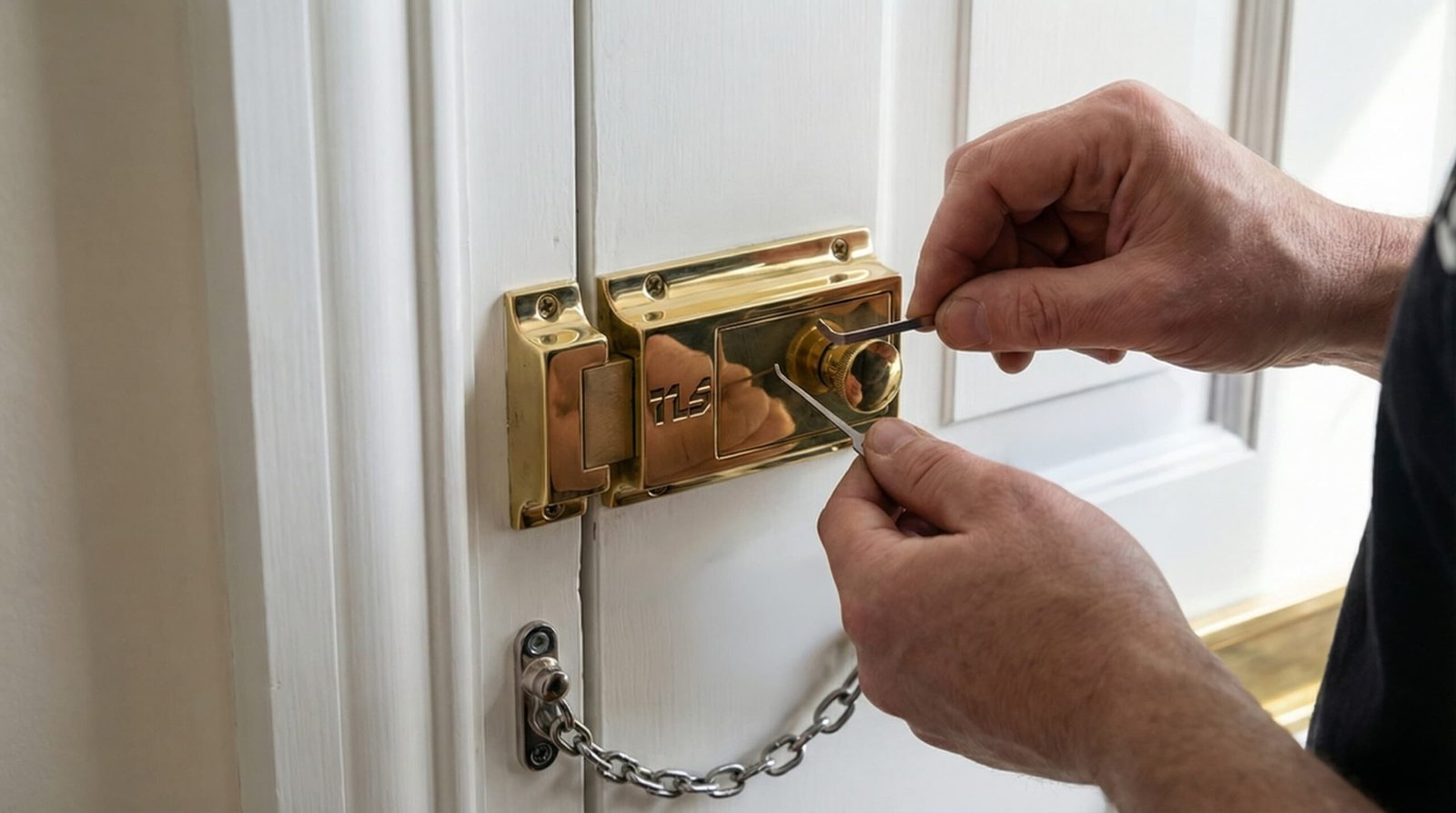
Night latches are among the most recognisable door locks used on residential properties across the UK. Often referred to as Yale-style locks, they are commonly installed on wooden front doors and are widely used in flats and terraced homes.
While night latches offer convenience and basic protection, many homeowners question how secure they are compared with modern locking systems. Understanding how these locks function, their strengths, and their limitations can help property owners decide whether their current setup provides adequate security.
A qualified professional or experienced locksmith will typically assess night latches as part of the wider door security setup. In many properties across London, these locks are used together with additional locking mechanisms to improve overall security and reduce potential vulnerabilities.
Traditional Yale-Style Night Latches
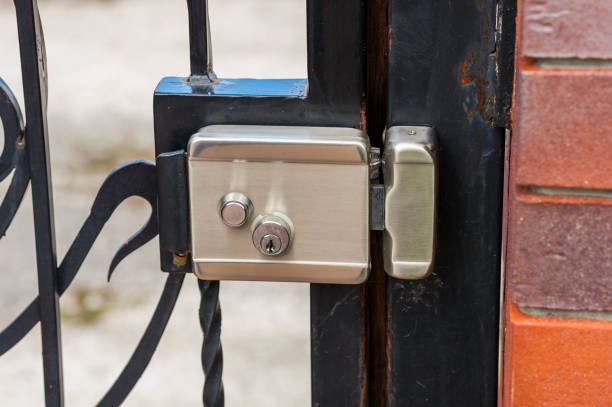
The traditional night latch was popularised by the Yale brand and has remained widely used for decades. These locks are surface-mounted on the inside of the door and operate using a spring-loaded latch bolt. When the door closes, the latch automatically locks into the strike plate on the door frame. This design allows residents to leave the property without manually locking the door from the outside, as the latch engages automatically.
Most night latches are opened from the outside using a key and from the inside using a thumb turn. This makes them convenient for everyday use, particularly in properties where quick exit and entry are important. However, traditional night latches are usually designed as secondary locks rather than the sole locking system on a door. For this reason, many security professionals recommend pairing them with a stronger internal locking mechanism.
What Are Deadlocking Night Latches?
Deadlocking night latches are an upgraded version of the traditional design. These locks include an additional security feature that prevents the latch bolt from being forced back into the door. When the deadlock feature is activated, the latch cannot be pushed open using tools or pressure applied to the door edge. This helps prevent common forced-entry techniques.
Some deadlocking night latches also include anti-tamper features, such as:
- Internal locking buttons
- Reinforced cylinders
- Restricted key operation from outside
These improvements offer greater protection compared with standard night latches, particularly when installed on solid wooden doors. A London Locksmith may recommend a deadlocking version when assessing door security in older properties that still rely on basic latch systems.
Common Weaknesses of Night Latches
Although night latches can provide useful everyday security, they do have some limitations. Older models, particularly those installed many years ago, may be vulnerable to certain entry techniques. One common weakness involves the spring-loaded latch, which can sometimes be forced open if the door frame has gaps or the strike plate is poorly fitted. Criminals may attempt to push the latch back using tools inserted between the door and frame.
Another potential issue occurs when doors rely solely on a night latch without an additional locking mechanism. In these cases, the overall level of protection may be lower than modern security standards. Wear and tear can also affect older locks. Problems such as Snapped keys, Broken keys, or worn cylinders occasionally lead homeowners to contact a 24 hour locksmith for inspection or repair.
For this reason, many security professionals recommend combining night latches with stronger locks that meet recognised standards.
Security Upgrades for Night Latches
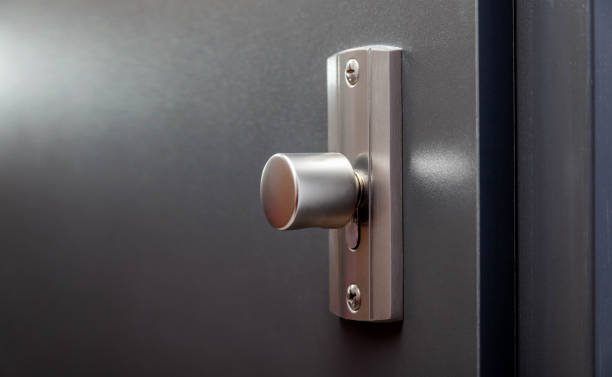
Improving the security of a night latch does not always require replacing the entire door. Several upgrades can help strengthen this type of lock and reduce potential vulnerabilities. One option is installing a high-security night latch, which includes reinforced internal components and improved cylinder protection. These models are designed to resist tampering and forced entry more effectively than older versions.
Another improvement involves fitting the night latch alongside a BS3621 mortice lock, which provides additional locking strength inside the door. This combination is commonly used on wooden front doors in the UK. Homeowners may also benefit from reinforcing the door frame and strike plate, ensuring the latch engages securely with the frame. Even small adjustments can improve resistance to forced entry. If there are concerns about the condition of the lock or the door hardware, a Locksmith near me can assess the installation and identify potential security improvements.
Comparing Night Latch Security Levels
| Night Latch Type | Security Level | Key Feature | Common Use |
| Standard Night Latch | Basic | Automatic latch locking | Older residential doors |
| Deadlocking Night Latch | Medium–High | Prevents latch from being forced open | Front doors with additional locks |
| High-Security Night Latch | High | Reinforced cylinder and internal lock features | Upgraded residential security |
Combining a night latch with other security measures often provides stronger overall protection than relying on a single lock.
FAQs
1. Are night latches secure enough for front doors?
Night latches can provide basic protection, but they are often used together with a stronger lock such as a mortice lock for improved security.
2. What is the difference between a standard and a deadlocking night latch?
A deadlocking night latch includes an additional mechanism that prevents the latch from being pushed open when the door is closed.
3. Are Yale locks the same as night latches?
Yale is a well-known manufacturer of night latches, which is why these locks are sometimes referred to as Yale-style locks.
4. Can night latches be forced open?
Older models may be vulnerable if the door frame has gaps or if the latch is not properly protected.
5. Should a night latch be used with another lock?
Many security professionals recommend using a night latch alongside a BS3621 mortice lock for stronger protection.
6. What problems occur with older night latches?
Common issues include worn cylinders, loose components, and problems such as Locked out situations caused by faulty mechanisms.
7. Can night latches be upgraded?
Yes. High-security night latches and reinforced strike plates can improve protection without replacing the entire door.
8. Who can inspect my door locks?
A qualified Locksmith London professional can inspect existing locks and recommend suitable upgrades if necessary.
Are Night Latches Still a Good Security Option?
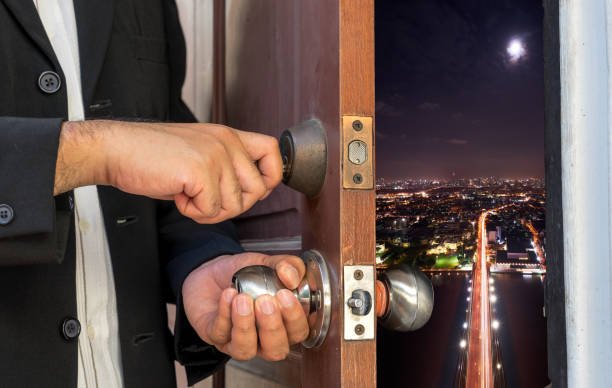
Night latches continue to be widely used across UK homes, particularly on traditional wooden doors. While they provide convenience and automatic locking, their security level depends largely on the specific model and how it is installed.
Modern deadlocking or high-security versions offer better protection than older latch systems. When combined with additional locks that meet recognised standards, night latches can still play a useful role in residential security.
For homeowners who want to review their door security, The Lock Specialist Ltd can provide professional guidance and lock assessments. Whether advice is needed from a Local locksmith or assistance from an Emergency 24 hour locksmith, ensuring locks are properly maintained can help reduce security risks over time.
Need Expert Advice on Door Lock Upgrades in London?
If you’re unsure whether your current locks meet modern security standards, our experienced team is here to help. We provide professional lock inspections, upgrades, and installations across London.
Follow on Social