
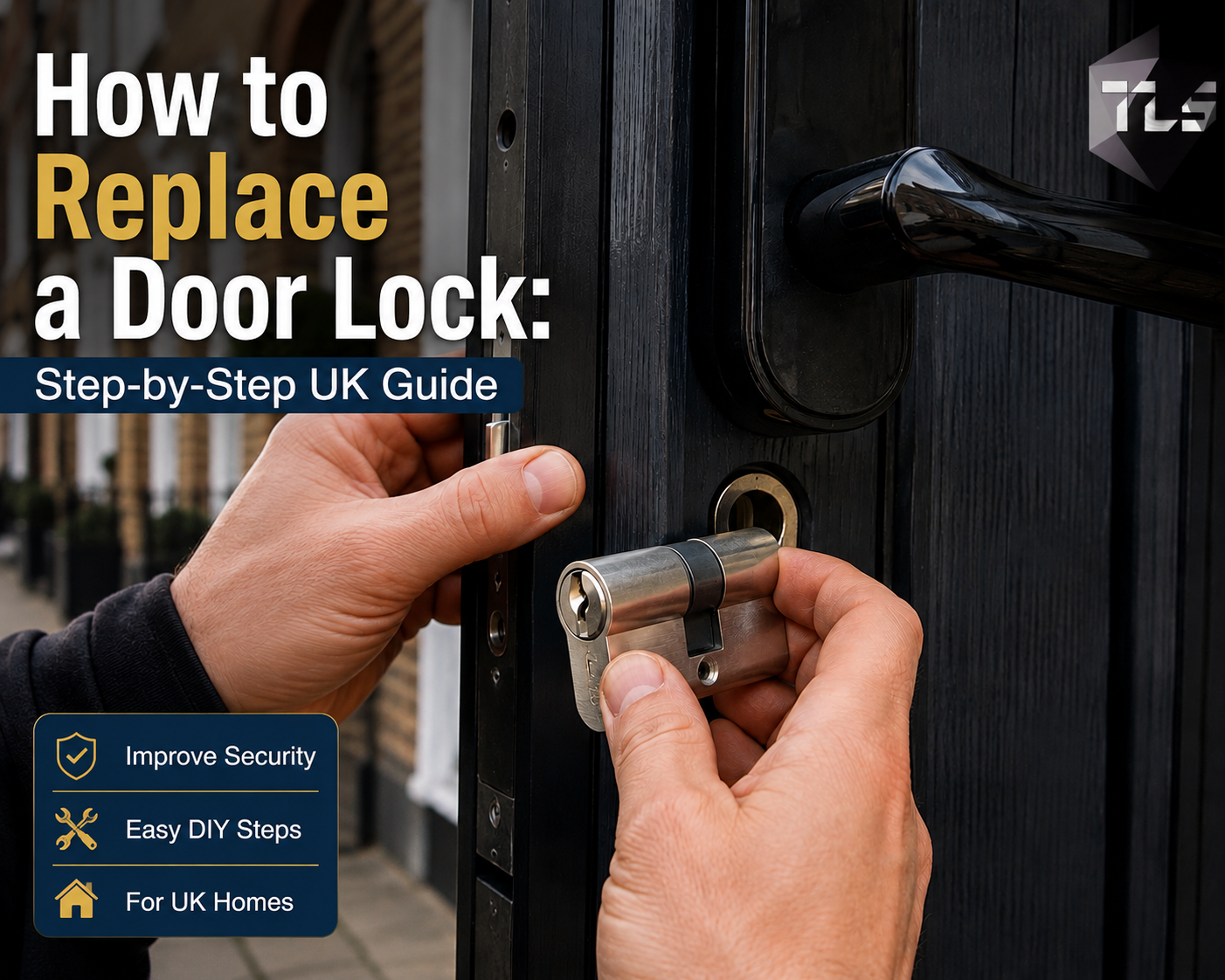
How to Replace a Door Lock: Step-by-Step UK Guide
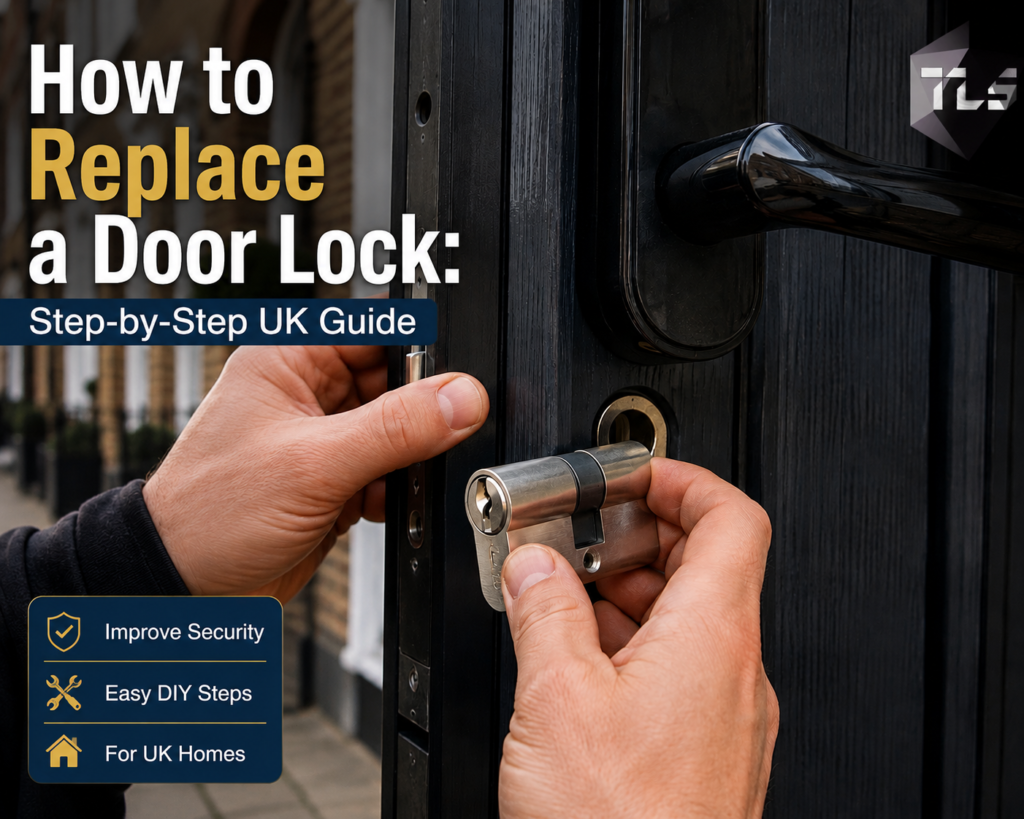
Whether your lock has worn out, stopped turning smoothly, or you’ve just moved into a new home, replacing a door lock is one of the most common DIY security jobs. The good news: for most standard locks, it’s a straightforward job you can do in under 30 minutes with the right tools. This guide walks through both traditional mortice/rim locks and the uPVC barrel (cylinder) locks found on most modern UK front doors.
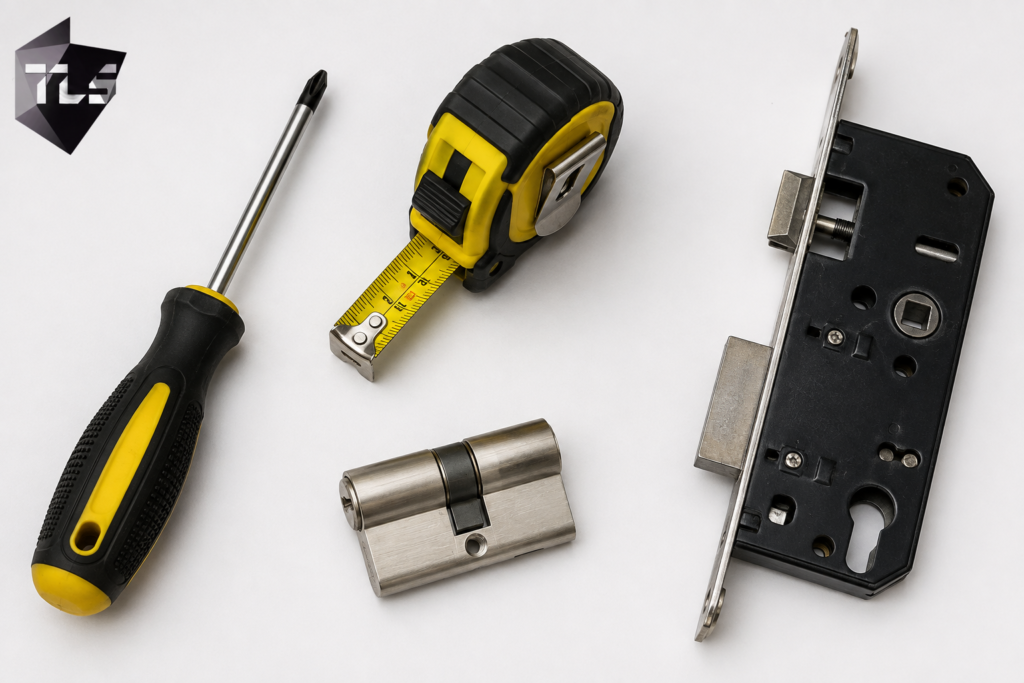
Tools You’ll Need
- Screwdriver (flathead and Phillips)
- Tape measure
- Replacement lock (matched to your door type — see below)
- Pencil
- Optional: chisel (for mortice lock adjustments)
Step 1: Identify Your Lock Type
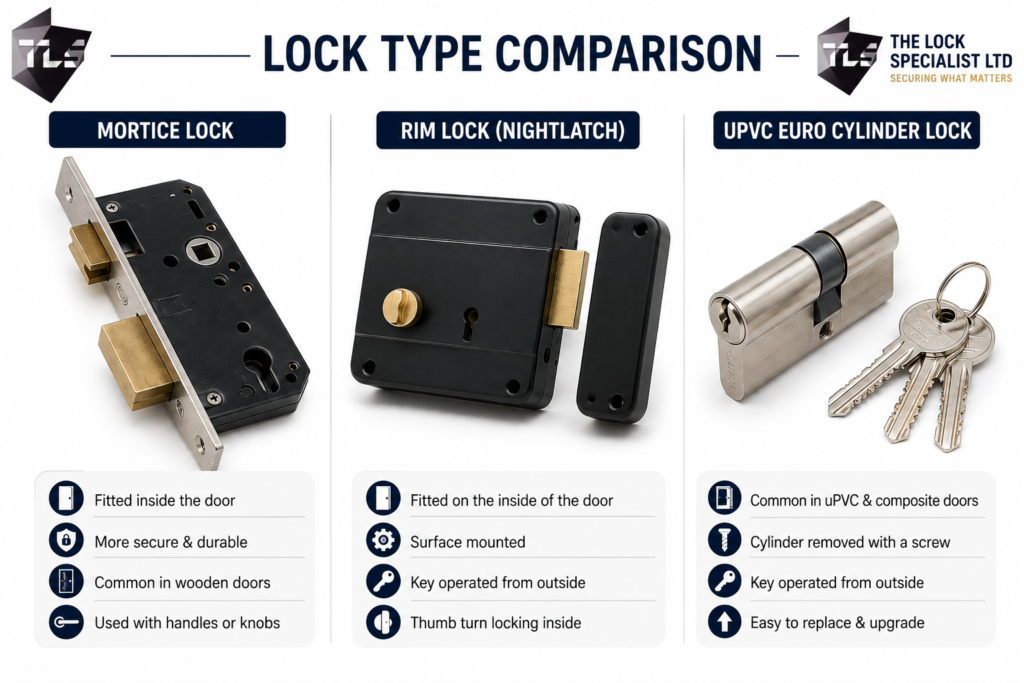
Before buying a replacement, check which type of lock you have:
- Mortice lock — fits inside a pocket cut into the door itself, common on wooden doors
- Rim lock (nightlatch) — surface-mounted on the inside of the door
- uPVC cylinder/barrel lock — fits through the door and connects to the multipoint locking mechanism, standard on most uPVC and composite doors
If you’re not sure, measure the lock case or take a photo into a hardware shop — getting the wrong type is the most common (and most frustrating) DIY mistake. If your key has already snapped off in the lock, you’ll need it extracted before any of the steps below will work.
Step 2: Replacing a Standard Mortice or Rim Lock
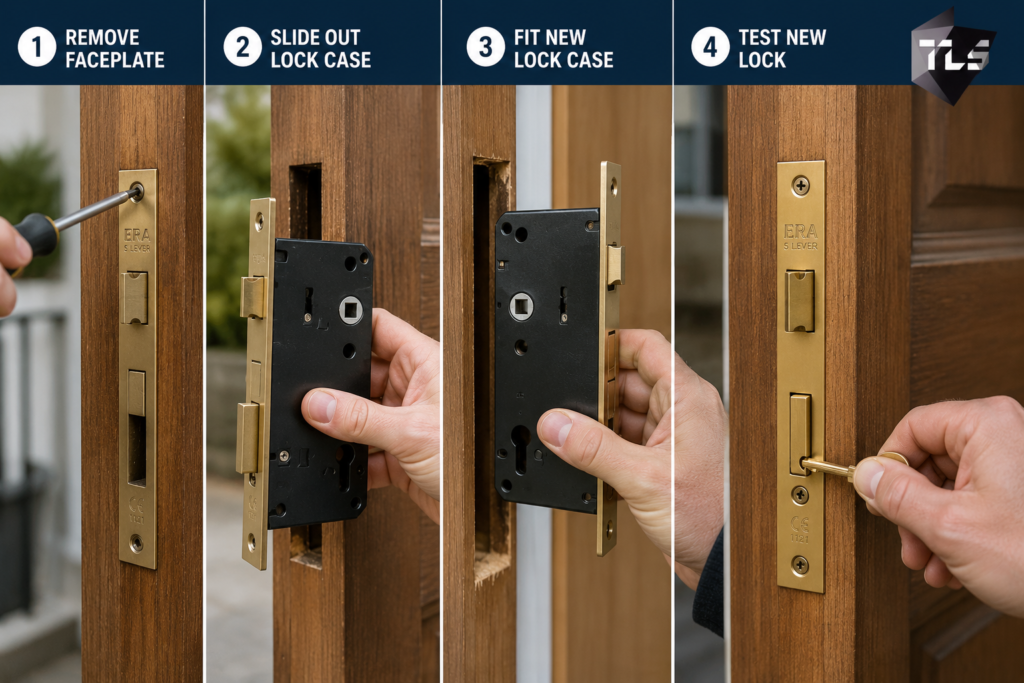
- Unscrew and remove the old lock. Open the door, remove the screws holding the lock plate (forend) in place, and slide the lock body out of the door edge.
- Check the new lock matches. Compare the backset (distance from the door edge to the centre of the keyhole) and case size against the old lock before fitting.
- Fit the new lock. Slide it into the mortice pocket, screw the forend into place, then reattach the strike plate on the door frame if it’s included.
- Test it. Close the door and turn the key a few times before you rely on it — a stiff action usually means slight misalignment with the strike plate.
Step 3: Replacing a uPVC Barrel/Cylinder Lock
uPVC barrel locks are the most commonly searched lock replacement in the UK — and the easiest to get wrong on sizing, so measure carefully.
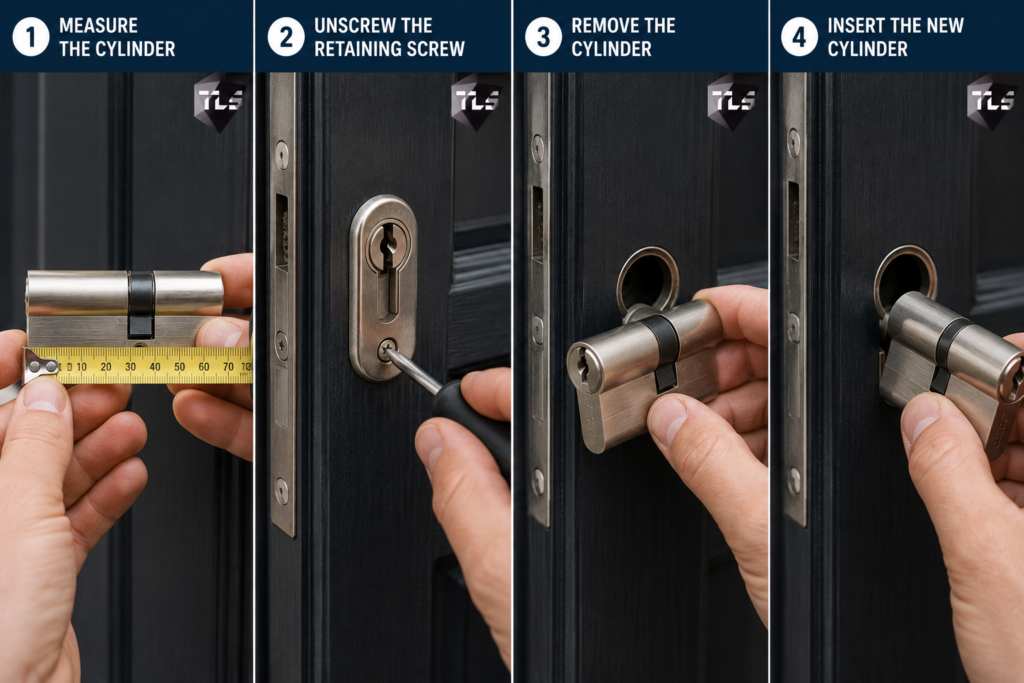
- Measure the cylinder. With the door open and unlocked, measure from the centre of the screw hole to each end of the cylinder (inside and outside). This gives you the size (e.g. 35/45).
- Remove the retaining screw. This is usually on the edge of the door, holding the cylinder in place.
- Pull out the old barrel. With the key turned slightly, the old cylinder should slide out.
- Insert the new barrel and secure the screw. Make sure the cam (the small metal tab) lines up correctly before tightening.
- Test with the door open first, then closed, before trusting it fully.
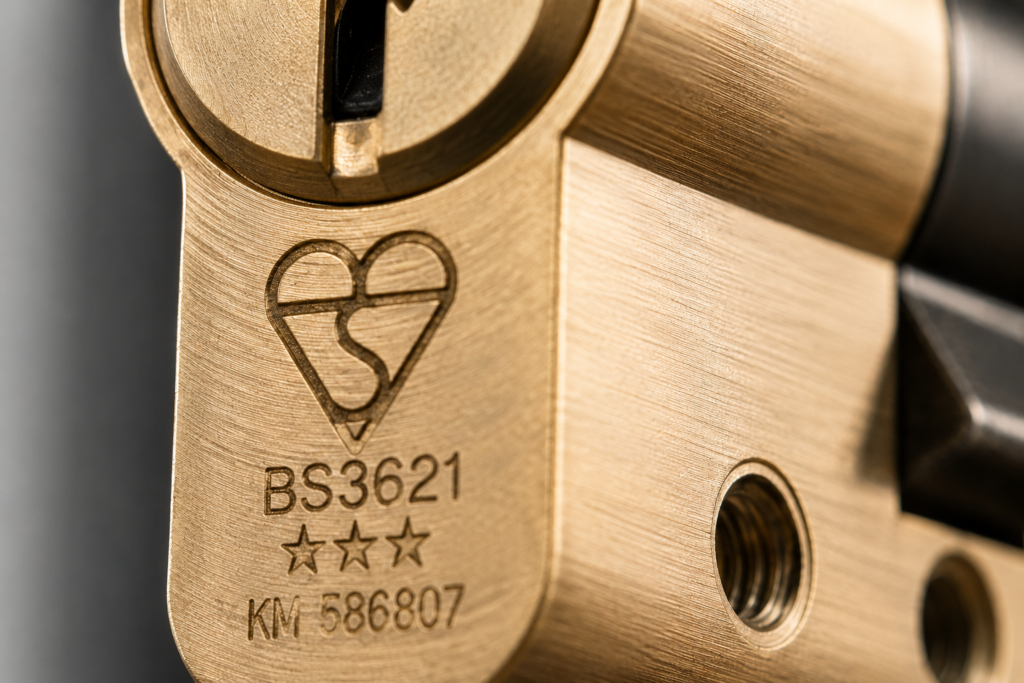
Note: If your current lock isn’t rated British Standard (BS3621), it’s worth upgrading when you replace it — many UK home insurance policies require it for cover to be valid, and anti-snap locks protect against a common break-in method on uPVC doors.
When to Call a Locksmith Instead
DIY replacement works well when the door and frame are in good condition and you’re confident measuring and fitting hardware. Call a professional if:
- The lock is stuck, snapped, or the door won’t open at all
- You need a British Standard or insurance-approved lock fitted correctly
- The multipoint mechanism itself (not just the cylinder) is faulty
- You want the job guaranteed and done same-day — see our 24-hour emergency locksmith service
The Lock Specialist offers fast lock replacement and emergency locksmith services across London if you’d rather leave it to a professional. We also cover East London and residential properties — get in touch here for a quote.
FAQs
Can I replace a lock without a locksmith?
Yes, for most standard mortice and uPVC cylinder locks, provided you measure correctly and the door/frame aren’t damaged.
How do I know what size uPVC lock barrel I need?
Measure from the centre of the fixing screw hole to each end of the cylinder — this gives you two numbers (e.g. 35mm/45mm) that determine the correct replacement size.